

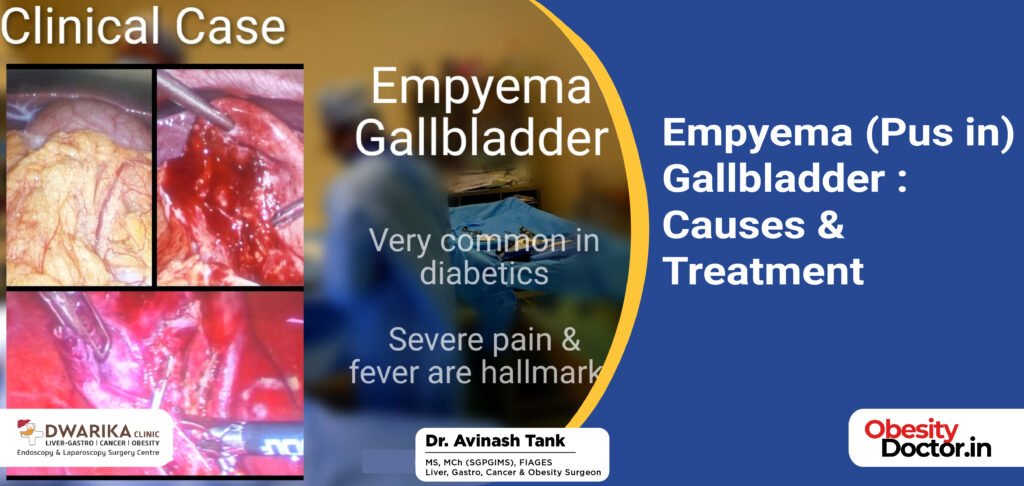
Empyema (Pus in) Gallbladder: Understanding the Causes and Treatment
Empyema of the gallbladder, also known as pus in the gallbladder, is a serious medical condition that can lead to severe complications if left untreated.
Defining Empyema (Pus in Gallbladder)
Empyema of the gallbladder refers to the accumulation of infected pus within the gallbladder.
This condition typically arises from untreated acute cholecystitis, which is the inflammation of the gallbladder due to gallstones.
When the inflammation becomes severe and bacterial infection occurs, pus can develop inside the gallbladder.
Causes of Empyema (Pus in Gallbladder)
Empyema of the gallbladder primarily occurs due to the following causes:
- Gallstones: The presence of gallstones in the gallbladder can obstruct the cystic duct, leading to inflammation. If left untreated, this inflammation can progress to empyema.
- Bacterial Infection: In some cases, bacterial infection can occur alongside gallstone-related inflammation, resulting in the formation of pus within the gallbladder.
Diagnosis of Empyema (Pus in Gallbladder)
Diagnosing empyema of the gallbladder involves a combination of clinical evaluation, imaging studies, and laboratory tests.
Common diagnostic methods include:
- Ultrasound: This imaging technique can visualize the gallbladder and detect the presence of pus.
- Blood Tests: Elevated white blood cell counts and markers of infection may be observed in blood tests.
- CT Scan or MRI: These scans can provide detailed images of the gallbladder and confirm the presence of pus.
Treatment for Empyema (Pus in Gallbladder)
Managing empyema of the gallbladder typically requires hospitalization and medical intervention:
- Intravenous (IV) Antibiotics: Antibiotics are administered to combat the bacterial infection causing the pus formation.
- Percutaneous Drainage: In many cases, a procedure called percutaneous drainage may be performed to remove the infected pus from the gallbladder.
- Surgical Intervention: In severe cases or if percutaneous drainage is ineffective, surgical removal of the gallbladder (cholecystectomy) may be necessary.
Complications of Untreated Empyema (Pus in Gallbladder)
Untreated empyema of the gallbladder can lead to life-threatening complications, including:
- Sepsis: The infection can spread throughout the body, causing a potentially fatal condition known as sepsis.
- Gangrene: Prolonged inflammation can result in gangrene of the gallbladder, necessitating emergency surgery.
- Peritonitis: Infection can spread to the abdominal cavity, leading to peritonitis, a severe and dangerous inflammation.
- Organ Failure: Severe infection can affect multiple organs and lead to organ failure.
Prevention and When to Consult a Doctor
Preventing empyema of the gallbladder involves prompt treatment of gallstones and acute cholecystitis.
If you experience symptoms such as severe abdominal pain, fever, and nausea, it’s crucial to consult a healthcare professional immediately.
Early diagnosis and intervention are essential to prevent the complications associated with empyema of the gallbladder.
Conclusion
Empyema of the gallbladder is a serious condition that requires immediate medical attention.
Understanding its causes, seeking timely diagnosis, and following the prescribed treatment plan can help prevent severe complications and ensure a healthier future.
Was this article helpful?

Super-specialist GI, bariatric & cancer surgeon. SGPGIMS (India's premier GI centre) + advanced training in Japan & South Korea. Read full profile →
Last reviewed: July 2026






Comments
Be the first to share your thoughts on this article.