

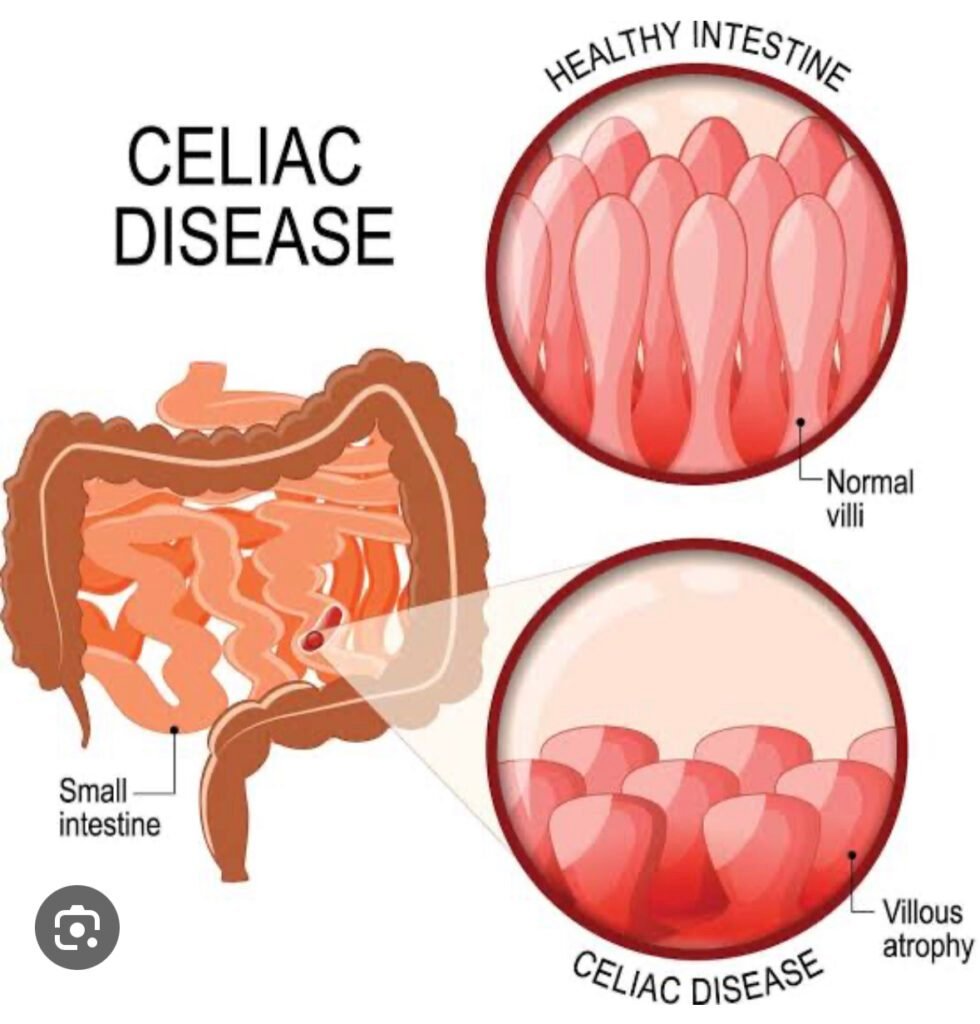
Celiac Disease: Causes, Diagnosis, and Treatment. Celiac Disease is a complex autoimmune disorder triggered by the consumption of gluten, a protein found in wheat, barley, and rye.
This condition affects the small intestine, leading to various symptoms like pain, diarrhea and potential long-term complications like nutritional deficiency & risk to progress into cancer.
Definition:
Celiac Disease is a chronic condition where the ingestion of gluten causes an immune response that damages the lining of the small intestine.
This damage affects the absorption of nutrients, leading to a range of symptoms and complications.
Types:
There are different types of celiac disease, including classical celiac disease, non-classical or atypical celiac disease, silent celiac disease, and potential celiac
Causes:
The primary cause of celiac disease is the ingestion of gluten. Genetic factors play a significant role, and individuals with a family history of celiac disease are at a higher risk.
Symptoms of Celiac Disease Across Age Groups and Genders:
Celiac Disease manifests in diverse ways, and symptoms can vary based on age and gender. Understanding these distinctions is crucial for timely diagnosis and effective management.
Celiac Disease in Children:
- Digestive Issues:
Children often experience gastrointestinal symptoms, including abdominal pain, bloating, diarrhea, and constipation.
- Failure to Thrive:
Impaired nutrient absorption may lead to slowed growth and development, indicating a failure to thrive.
- Behavioral Changes:
Irritability, mood swings, and changes in behavior may be observed due to discomfort and malabsorption.
- Dental Problems:
Delayed tooth development and enamel defects in teeth are common manifestations in children with celiac disease.
Celiac Disease in Adults:
- Gastrointestinal Symptoms:
Adults may experience chronic diarrhea, abdominal pain, and bloating after consuming gluten.
- Fatigue:
Persistent fatigue and weakness are common due to nutrient deficiencies caused by malabsorption.
- Joint Pain:
Some adults may develop joint pain and inflammation, affecting mobility.
- Anemia:
Iron deficiency anaemia is a frequent consequence of impaired iron absorption in adults with celiac disease.
Celiac Disease in Females:
- Menstrual Irregularities:
Celiac disease can impact the menstrual cycle, leading to irregularities and fertility issues.
- Pregnancy Complications:
Untreated celiac disease may increase the risk of complications during pregnancy, including preterm birth.
- Hormonal Imbalances:
Hormonal disruptions may contribute to symptoms such as mood swings and fatigue in females with celiac disease.
- Osteoporosis Risk:
Reduced calcium absorption may elevate the risk of osteoporosis, particularly in postmenopausal women.
Recognizing the Signs:
Early recognition of these symptoms is crucial for prompt diagnosis and initiating a gluten-free lifestyle.
If persistent symptoms are observed, consulting a healthcare professional is essential for comprehensive evaluation and management.
Diagnosis:
Accurate diagnosis involves blood tests to check for specific antibodies, followed by a biopsy of the small intestine to assess damage. Genetic testing may also contribute to the diagnostic process.
Treatment:
The cornerstone of celiac disease management is a strict gluten-free diet. This involves avoiding all sources of gluten, including wheat, barley, and rye. Nutritional supplements may be necessary to address deficiencies.
Prevention:
As celiac disease has a genetic component, prevention involves identifying individuals at risk, especially those with a family history, and promoting a gluten-free lifestyle.
When to Consult a Doctor:
If symptoms such as abdominal pain, diarrhea, weight loss, or fatigue are persistent, consulting a healthcare professional is crucial for proper evaluation and diagnosis.
Conclusion:
Celiac Disease requires a multidimensional approach involving awareness, early diagnosis, and adherence to a gluten-free diet. Understanding the causes, timely diagnosis, and effective treatment contribute to better management and improved quality of life for individuals with celiac disease.
Was this article helpful?

Super-specialist GI, bariatric & cancer surgeon. SGPGIMS (India's premier GI centre) + advanced training in Japan & South Korea. Read full profile →
Last reviewed: July 2026





Comments
Be the first to share your thoughts on this article.