

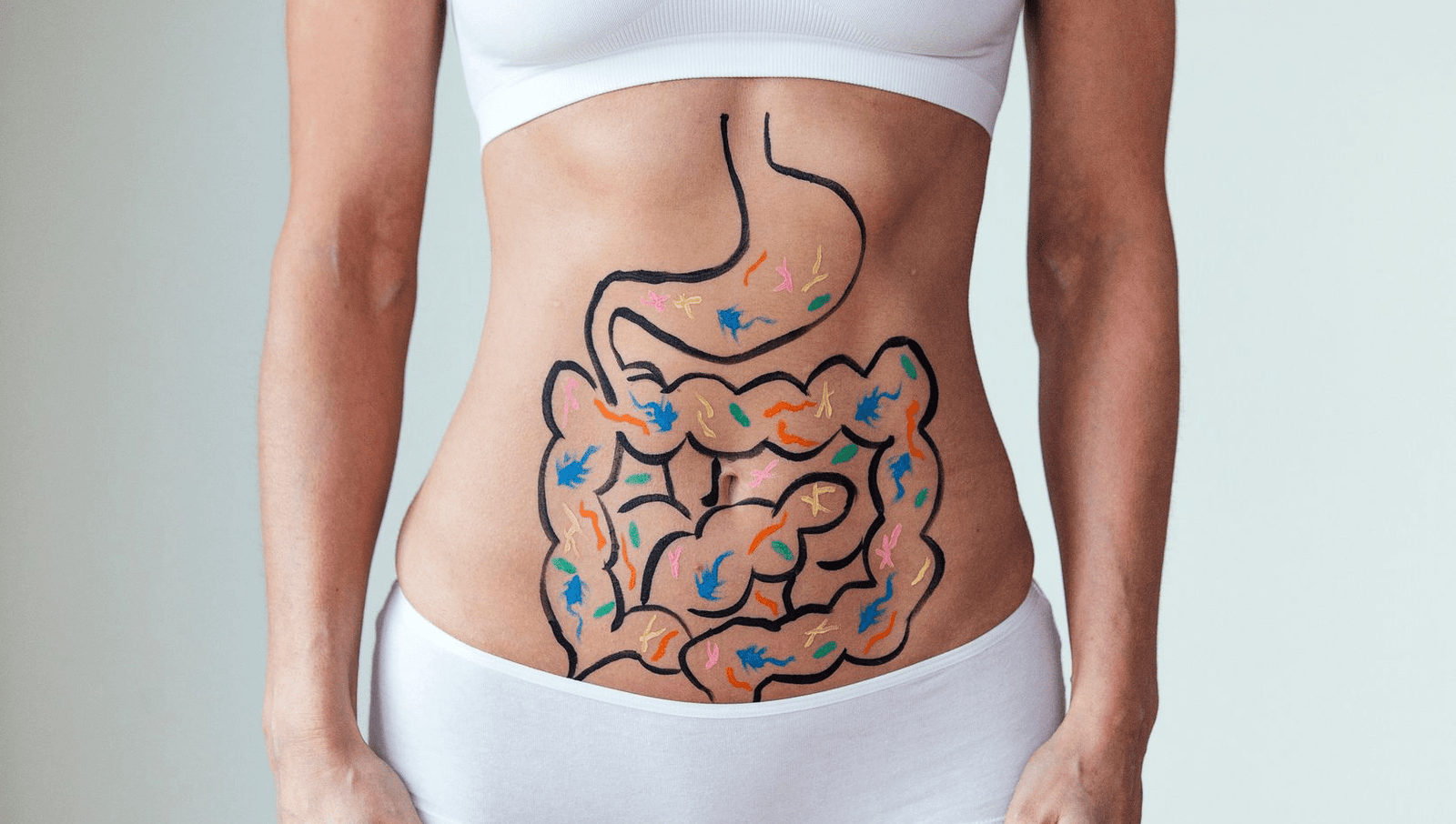
Introduction
The digestive system plays a crucial role in breaking down food, absorbing nutrients, and eliminating waste. However, various diseases can affect the digestive organs, leading to discomfort, impaired function, and potential long-term health complications. In this article, we will explore common diseases of the digestive organs, their causes, symptoms, and available treatments.
Gastroesophageal Reflux Disease (GERD)
GERD is a chronic condition characterized by the backward flow of stomach acid into the esophagus, leading to heartburn, regurgitation, chest pain, and difficulty swallowing. Prolonged acid exposure can damage the esophageal lining, causing inflammation and increasing the risk of complications like esophageal strictures or Barrett’s esophagus. Lifestyle modifications, medications, and in some cases, surgical intervention, can help manage GERD.
Gastritis
Gastritis refers to inflammation of the stomach lining, often caused by infection (H. pylori), excessive alcohol consumption, regular use of nonsteroidal anti-inflammatory drugs (NSAIDs), or autoimmune disorders. Symptoms may include abdominal pain, nausea, vomiting, bloating, and loss of appetite. Treatment involves addressing the underlying cause, medications to reduce stomach acid, and lifestyle changes to promote healing.
Peptic Ulcers
Peptic ulcers are open sores that develop on the lining of the stomach, esophagus, or duodenum (the upper part of the small intestine). They can result from H. pylori infection, long-term NSAID use, or excessive acid production. Symptoms include abdominal pain, bloating, nausea, and vomiting. Treatment involves antibiotics to eradicate H. pylori, medications to reduce stomach acid, and lifestyle modifications.
Inflammatory Bowel Disease (IBD)
IBD is an umbrella term for chronic conditions involving inflammation in the gastrointestinal tract, primarily Crohn’s disease and ulcerative colitis. These conditions cause symptoms like abdominal pain, diarrhea, rectal bleeding, weight loss, and fatigue. While the exact cause is unknown, factors such as genetic predisposition, abnormal immune response, and environmental triggers play a role. Treatment aims to manage symptoms, reduce inflammation, and maintain remission through medication, dietary changes, and sometimes surgery.
Irritable Bowel Syndrome (IBS)
IBS is a functional gastrointestinal disorder characterized by abdominal pain or discomfort, bloating, and changes in bowel habits without evidence of structural or biochemical abnormalities. Triggers may include certain foods, stress, hormonal changes, or bacterial imbalances in the gut. Management involves dietary modifications, stress reduction techniques, medications, and lifestyle changes tailored to individual symptoms.
Gallbladder Diseases
Gallbladder diseases include conditions like gallstones, cholecystitis (inflammation of the gallbladder), and biliary colic. Gallstones are solid deposits that form in the gallbladder and can cause severe abdominal pain, jaundice, and digestive disturbances. Treatment may involve medications to dissolve stones, surgical removal of the gallbladder (cholecystectomy), or minimally invasive procedures.
Liver Diseases
Liver diseases encompass a wide range of conditions, including fatty liver disease, viral hepatitis (such as hepatitis A, B, or C), alcoholic liver disease, and cirrhosis. These diseases can result from excessive alcohol consumption, viral infections, metabolic disorders, or autoimmune conditions. Symptoms may include jaundice, abdominal pain, fatigue, and changes in appetite. Treatment depends on the specific liver disease but may involve lifestyle changes, medication, or, in severe cases, liver transplantation.
Colorectal Cancer
Colorectal cancer affects the colon or rectum and is one of the most common types of cancer worldwide. Risk factors include age, family history, certain genetic conditions, a diet high in red and processed meats, smoking, excessive alcohol consumption, obesity, and sedentary lifestyle. Early-stage colorectal cancer may not exhibit noticeable symptoms, making regular screenings and early detection crucial. Treatment options include surgery, chemotherapy, radiation therapy, and targeted therapies.
Conclusion
Diseases of the digestive organs can significantly impact a person’s quality of life and overall health. Understanding the causes, symptoms, and available treatments for these conditions is vital for early detection, effective management, and prevention of complications. If you experience persistent digestive symptoms or are at risk due to family history or lifestyle factors, consult with a healthcare professional for appropriate evaluation and guidance. By prioritizing digestive health, you can take proactive steps towards a healthier and more fulfilling life.
Read more-
Was this article helpful?

Super-specialist GI, bariatric & cancer surgeon. SGPGIMS (India's premier GI centre) + advanced training in Japan & South Korea. Read full profile →
Last reviewed: July 2026





Comments 1
Everyone loves it when folks come together and share ideas. Great website, stick with it!