

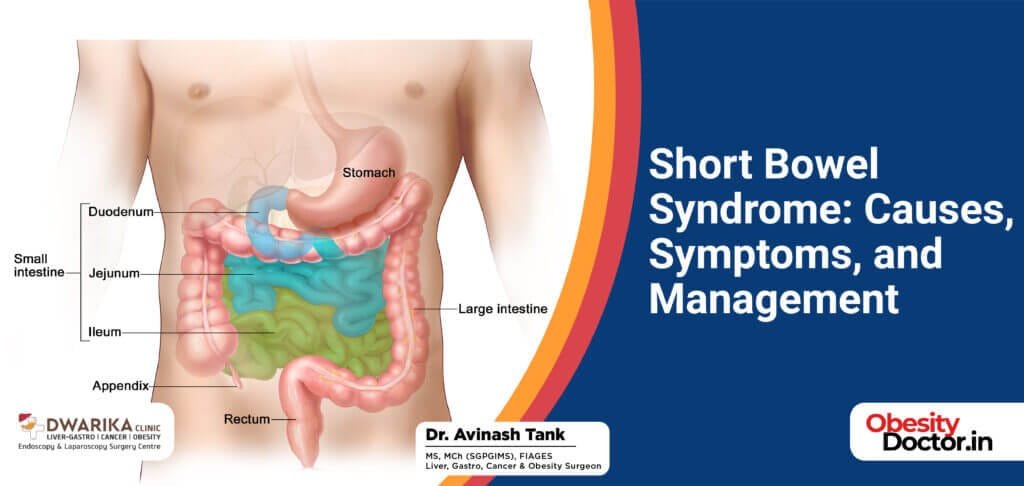
Short Bowel Syndrome: Causes, Symptoms, and Management. Short Bowel Syndrome (SBS) is a complex digestive disorder that arises when a significant portion of the small intestine is surgically removed or malfunctions. Understanding the intricacies of this condition is essential for both patients and healthcare providers.
Definition:
Short Bowel Syndrome is a gastrointestinal disorder characterized by the inadequate absorption of nutrients due to the surgical removal or dysfunction of a substantial portion of the small intestine.
Types of Short Bowel Syndrome:
-
Surgical Causes:
SBS often results from surgical procedures, such as bowel resection, commonly performed to treat conditions like Crohn’s disease or trauma.
-
Congenital Factors:
Some individuals may experience congenital short bowel anomalies, where the small intestine is abnormally shortened from birth.
Symptoms:
The symptoms of Short Bowel Syndrome (SBS) can significantly impact an individual’s quality of life, requiring prompt attention and proper management.
Recognizing these symptoms is crucial for timely diagnosis and intervention. Here are the key symptoms associated with Short Bowel Syndrome:
-
Diarrhea:
Persistent and severe diarrhea is a hallmark symptom of Short Bowel Syndrome. The reduction in the length of the small intestine impairs its ability to absorb fluids, leading to watery and frequent bowel movements.
-
Dehydration:
Chronic diarrhea can result in dehydration, as the body loses essential fluids rapidly. Dehydration may manifest with symptoms such as increased thirst, dry mouth, dark urine, and fatigue.
-
Malnutrition:
Insufficient absorption of nutrients due to the compromised small intestine can lead to malnutrition. This may result in unintended weight loss, nutrient deficiencies, and weakened muscles.
-
Fatigue:
Malabsorption of nutrients affects energy levels, contributing to persistent fatigue and weakness in individuals with Short Bowel Syndrome.
-
Abdominal Pain and Cramping:
Discomfort in the abdominal region, including pain and cramping, is common. The altered digestive process may cause these symptoms, impacting the overall digestive comfort.
-
Bloating and Gas:
Individuals with Short Bowel Syndrome may experience increased bloating and gas due to changes in the gut microbiota and altered digestive function.
-
Steatorrhea:
This refers to the presence of excess fat in the stool, leading to foul-smelling, oily, and floating stools. Steatorrhea results from the inadequate absorption of fats.
-
Nutritional Deficiencies:
Deficiencies in vital nutrients, including vitamins and minerals, may occur. This can manifest as specific symptoms related to the deficient nutrient, such as anemia, brittle nails, or skin changes.
-
Bone Health Issues:
Calcium and vitamin D absorption may be compromised, affecting bone health. Individuals with Short Bowel Syndrome may be at an increased risk of bone-related problems.
-
Difficulty Thriving in Children:
In pediatric cases, Short Bowel Syndrome can hinder normal growth and development in children, leading to failure to thrive.
Recognizing these symptoms and seeking medical attention promptly is crucial for a comprehensive evaluation and diagnosis.
Diagnosis:
Accurate diagnosis involves a comprehensive evaluation of symptoms, imaging studies, endoscopy, and laboratory tests to assess nutritional deficiencies.
Treatment Approaches:
The management of Short Bowel Syndrome is multifaceted. It may include dietary modifications, nutritional supplements, medications to slow bowel transit, and, in some cases, parenteral nutrition.
Preventive Measures:
While some cases of Short Bowel Syndrome are congenital, preventive measures in acquired cases involve careful surgical techniques to preserve intestinal length and function.
Seeking Medical Attention:
Individuals experiencing persistent digestive issues, unexplained weight loss, or symptoms of malnutrition should promptly consult with a healthcare professional.
Conclusion:
Short Bowel Syndrome: Causes, Symptoms, and Management.Living with Short Bowel Syndrome requires a tailored approach that addresses both the physical and nutritional aspects of the condition. Collaborating with a healthcare team and adhering to prescribed treatments enhance the quality of life for those managing SBS.
Was this article helpful?

Super-specialist GI, bariatric & cancer surgeon. SGPGIMS (India's premier GI centre) + advanced training in Japan & South Korea. Read full profile →
Last reviewed: July 2026





Comments
Be the first to share your thoughts on this article.