

Introduction
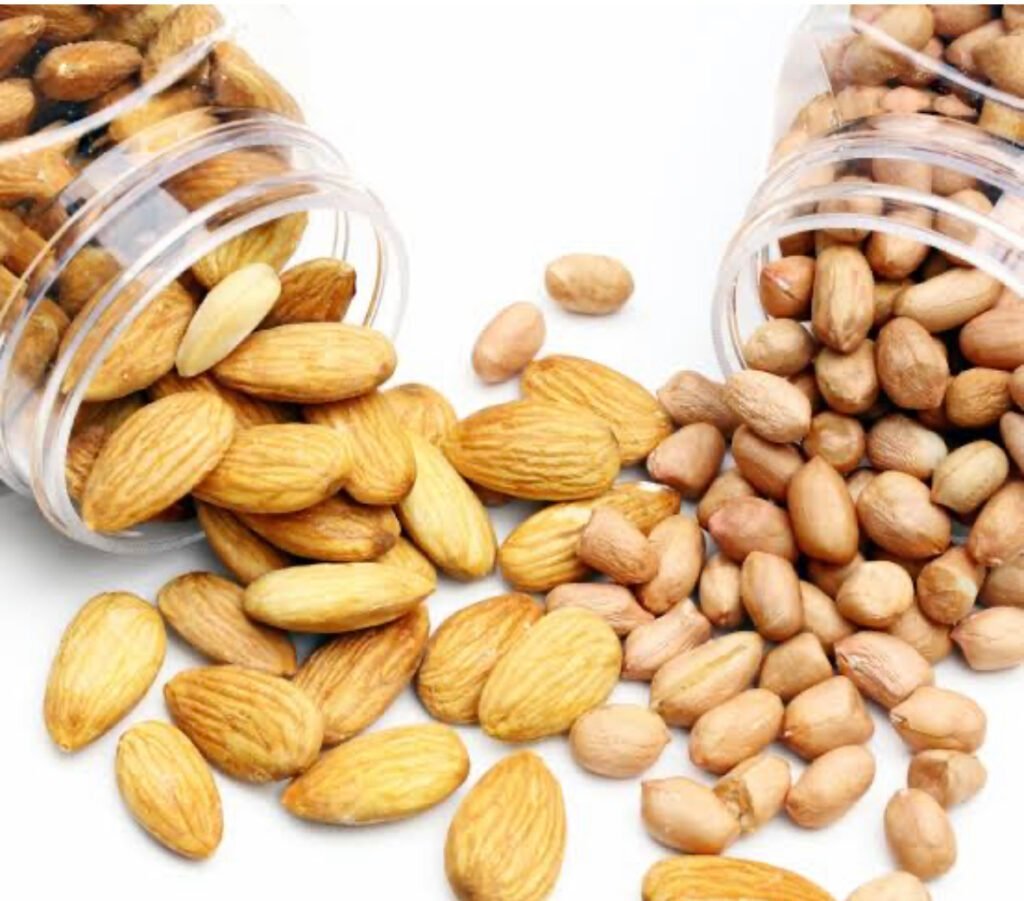
Nuts are not only delicious but also packed with essential nutrients that contribute to a healthy diet. Among the plethora of nut varieties available, two of the most popular choices are peanuts and almonds. Both nuts are versatile and widely consumed, but how do they stack up against each other when it comes to nutritional content? In this article, we’ll delve into the nutritional profiles of peanuts and almonds to determine which nut is more nutrient-dense and what health benefits they offer.
The Nutritional Showdown
- Protein Content: Protein is crucial for the growth, repair, and maintenance of tissues in the body. Almonds take the lead in this category, containing approximately 21 grams of protein per 100 grams, while peanuts contain about 25 grams of protein per 100 grams. Although the difference is minimal, peanuts emerge as the winner in terms of protein content.
- Healthy Fats: Both peanuts and almonds are rich in healthy fats that play a vital role in heart health and brain function. Almonds are known for their higher monounsaturated fat content, which is considered heart-healthy. On the other hand, peanuts contain more polyunsaturated fats, which also contribute to overall health. Both nuts are good sources of healthy fats, so the choice depends on individual dietary preferences.
- Fiber: Fiber is essential for maintaining a healthy digestive system and regulating blood sugar levels. Almonds are slightly ahead in this category, providing about 12.5 grams of fiber per 100 grams, whereas peanuts offer roughly 9 grams of fiber per 100 grams. While almonds have a slight edge, both nuts are excellent sources of dietary fiber.
- Vitamins and Minerals: When it comes to vitamins and minerals, almonds have a more diverse profile. They are particularly high in vitamin E, magnesium, and calcium. Vitamin E is a powerful antioxidant that protects cells from oxidative damage, while magnesium and calcium play crucial roles in bone health and muscle function. Peanuts, on the other hand, boast higher amounts of vitamin B3 (niacin) and folate. Vitamin B3 is essential for energy metabolism, and folate is important for cell division and DNA synthesis.
- Antioxidants: Antioxidants are compounds that protect the body from harmful free radicals, which can cause cellular damage. Almonds, especially with their skin intact, have higher antioxidant content than peanuts. The skin of almonds contains flavonoids and phenolic acids, contributing to their overall antioxidant capacity. However, both nuts have antioxidant properties and can be beneficial for overall health.
Health Benefits
Both peanuts and almonds offer a range of health benefits:
Health Benefits of Peanuts:
- Rich in resveratrol, a potent antioxidant that supports heart health.
- Contains arginine, an amino acid that helps maintain blood vessel health and blood flow.
- May help reduce the risk of gallstones due to their high unsaturated fat content.
Health Benefits of Almonds:
- Support heart health and help lower LDL cholesterol levels.
- Aid in weight management due to their satiating effect, promoting feelings of fullness.
- May improve blood sugar control and reduce the risk of type 2 diabetes.
Conclusion
In the peanut vs. almonds showdown, both nuts come out as winners in their unique ways. Peanuts are slightly ahead in terms of protein content and folate, while almonds boast more vitamin E, magnesium, and calcium. The choice between peanuts and almonds ultimately comes down to personal preference, taste, and individual dietary requirements.
To maximize the nutritional benefits, opt for raw and unsalted varieties, as roasted and salted nuts may contain added unhealthy fats and sodium. Whether you sprinkle them on salads, blend them into smoothies, or enjoy them as a standalone snack, both peanuts and almonds are excellent additions to a balanced and nutritious diet.
Was this article helpful?

Super-specialist GI, bariatric & cancer surgeon. SGPGIMS (India's premier GI centre) + advanced training in Japan & South Korea. Read full profile →
Last reviewed: July 2026




Comments
Be the first to share your thoughts on this article.