

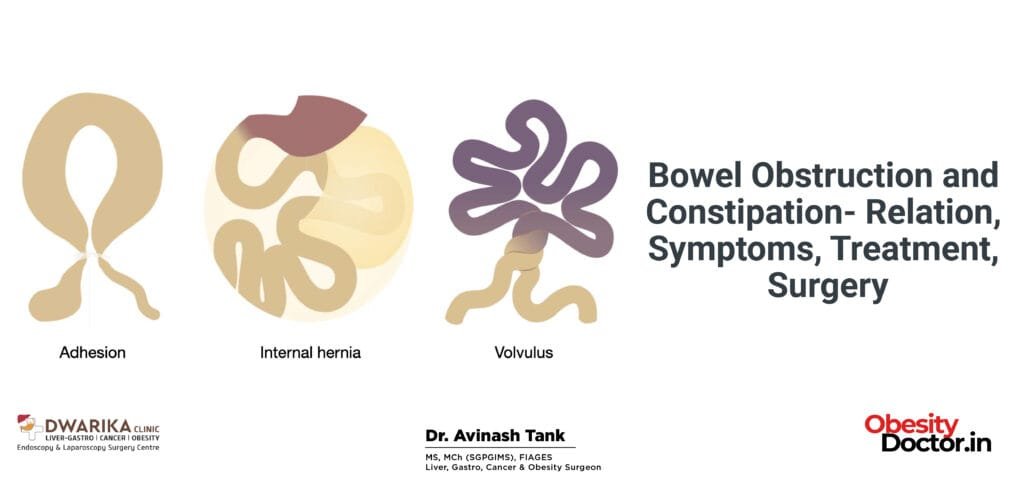
Bowel Obstruction & Constipation
Digestive health is a cornerstone of overall well-being, yet many people remain unaware of the potential hazards lurking within their gut.
Two significant gastrointestinal problems that often cause discomfort and distress are bowel obstruction and constipation.
What’s Bowel Obstruction
Bowel obstruction is a condition where the normal flow of digested material through the intestines is hindered or blocked. This blockage can occur at any point along the gastrointestinal tract, from the small intestine to the large intestine (colon).
Causes of Bowel Obstruction
- Adhesions: Scar tissue from previous surgeries can constrict the intestines.
- Hernias: A hernia can trap a portion of the intestine.
- Tumors: Growths in the intestines can obstruct the passage of stool.
How Constipation Can Lead to Bowel Obstruction
One significant link between bowel obstruction and constipation is the progression of untreated constipation.
When constipation becomes chronic, it can lead to the formation of hard, impacted stool, which may partially or completely block the intestines.
The Role of Fiber
A lack of dietary fiber is often a common denominator in both constipation and bowel obstruction. Fiber adds bulk to stool and helps it move through the intestines, reducing the risk of both conditions.
Causes of Constipation
- Dietary Factors: A diet low in fiber and fluids can contribute to constipation.
- Lifestyle Choices: Lack of physical activity and ignoring the urge to have a bowel movement can lead to constipation.
Symptoms of Constipation
- Infrequent Bowel Movements: Having fewer than three bowel movements per week is a classic sign of constipation.
- Straining: Difficulty passing stool, often accompanied by discomfort or pain.
Managing Constipation
- Dietary Changes: Increasing fiber intake through fruits, vegetables, and whole grains.
- Hydration: Drinking enough water is essential for softening stool.
- Laxatives: In some cases, over-the-counter or prescription laxatives may be necessary.
Symptoms of Bowel Obstruction
- Severe Abdominal Pain: Often crampy and persistent.
- Vomiting: May contain fecal matter.
- Inability to Pass Gas or Stool: A complete blockage prevents any passage.
Treatment of Bowel Obstruction
- Hospitalization: Immediate medical attention is required, and treatment may involve hospitalization.
- Surgery: Surgical intervention is often necessary to remove the obstruction.
Knowing When to Consult a Doctor
Constipation vs. Bowel Obstruction
While constipation is uncomfortable, it rarely causes severe symptoms. Bowel obstruction, on the other hand, is a medical emergency. Here’s when you should seek medical help:
- Constipation:
- Persistent constipation lasting more than a few weeks despite home remedies.
- Blood in stools or on toilet paper.
- Unexplained weight loss.
- Severe rectal pain or discomfort.
- Changes in bowel habits with additional concerning symptoms.
- Bowel Obstruction:
- Sudden, severe abdominal pain.
- Repeated vomiting.
- No gas or stool passed.
- Abdominal distention (swelling).
Preventing Bowel Obstruction and Constipation
- Fiber-Rich Diet: A diet high in fiber can prevent both constipation and the progression to bowel obstruction.
- Hydration: Staying well-hydrated is crucial for healthy digestion.
Conclusion
In conclusion, understanding the connection between bowel obstruction and constipation is vital for maintaining digestive health.
Recognizing the causes, symptoms, and treatments for these conditions empowers individuals to take proactive steps in preventing and managing these often painful and serious gastrointestinal issues.
Remember, a balanced diet rich in fiber and proper hydration can go a long way in safeguarding your digestive well-being.
Was this article helpful?

Super-specialist GI, bariatric & cancer surgeon. SGPGIMS (India's premier GI centre) + advanced training in Japan & South Korea. Read full profile →
Last reviewed: July 2026




Comments
Be the first to share your thoughts on this article.