

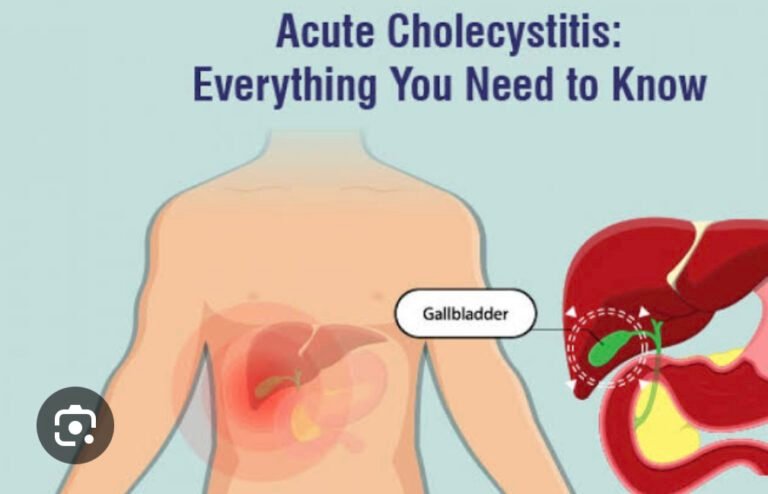
Acute Calculus Cholecystitis is a condition characterized by inflammation of the gallbladder due to the presence of gallstones, medically known as calculi.
These gallstones can block the bile ducts, leading to a range of distressing symptoms and complications.
Types
There are two primary types of Acute Calculus Cholecystitis:
- Calculous Cholecystitis: This form is directly linked to the presence of gallstones within the gallbladder. The obstruction caused by these stones triggers inflammation.
- Acalculous Cholecystitis: In this type, the inflammation occurs without the presence of gallstones. It often arises due to other underlying medical conditions or trauma.
Causes
Acute Calculus Cholecystitis primarily occurs when gallstones block the cystic duct, preventing bile from leaving the gallbladder.
This blockage can result from various factors, including:
-
Gallstones: The most common cause, gallstones can obstruct the ducts, causing bile buildup and inflammation.
- Tumors: Tumors in the pancreas, liver, or gallbladder itself can lead to bile duct blockage.
- Infection: Bacterial infection in the bile ducts can contribute to cholecystitis.
- Injury: Trauma or surgery in the abdominal region may trigger acute cholecystitis.
Symptoms
Recognizing the symptoms of Acute Calculus Cholecystitis is crucial for early intervention. Common signs and symptoms include:
- Severe Abdominal Pain: Typically in the upper right abdomen, which may radiate to the back or right shoulder.
- Fever and Chills: Often accompanied by a feeling of overall illness.
- Nausea and Vomiting: Especially after consuming fatty or greasy foods.
- Abdominal Tenderness: The abdomen may be sensitive to touch.
Diagnosis and Treatment
Diagnosing Acute Calculus Cholecystitis involves a combination of medical history, physical examination, and diagnostic tests.
These tests may include blood tests, imaging studies (such as ultrasound or CT scans), and sometimes a gallbladder scan.
Treatment typically involves hospitalization, fasting, and intravenous fluids to rest the gallbladder.
Antibiotics are administered to treat or prevent infection.
In severe cases, surgical removal of the gallbladder, known as cholecystectomy, may be necessary.
Complications of Untreated Acute Calculus Cholecystitis
Leaving Acute Calculus Cholecystitis untreated can lead to potentially life-threatening complications, such as:
- Gangrene: Tissue death in the gallbladder.
- Perforation: The gallbladder may burst, causing bile to leak into the abdominal cavity.
- Abscess: The formation of a pus-filled pocket within the gallbladder.
Prevention
While some risk factors are beyond control, adopting a healthy lifestyle can reduce the risk of gallstones and, subsequently, cholecystitis. Measures include maintaining a balanced diet, staying hydrated, and avoiding rapid weight loss.
When to Consult a Doctor
If you experience persistent abdominal pain, especially in the upper right side, accompanied by fever, nausea, or vomiting, it’s crucial to seek immediate medical attention.
Early diagnosis and treatment significantly improve outcomes.
Conclusion
Acute Calculus Cholecystitis is a serious condition that demands prompt medical intervention.
By understanding its causes, symptoms, and seeking timely medical attention when necessary, you can protect your health and well-being, mitigating the potential complications associated with this condition.
Was this article helpful?

Super-specialist GI, bariatric & cancer surgeon. SGPGIMS (India's premier GI centre) + advanced training in Japan & South Korea. Read full profile →
Last reviewed: July 2026





Comments
Be the first to share your thoughts on this article.